






High-moisture, cold environments have historically caused RFID tags to fail — meat and seafood packaging is about as difficult as it gets. Purpose-built inlay technology now addresses this at the hardware level, opening the door to reliable item-level tracking in departments that were essentially untaggable a few years ago.
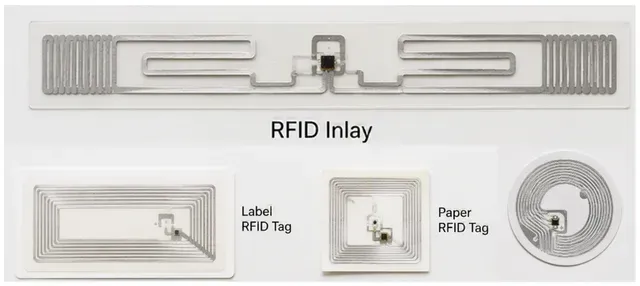
Standard RFID inlays lose read reliability near water and in cold storage — a limitation that kept meat, deli, and seafood departments out of most RFID programs for years. Newer inlay construction is specifically engineered to compensate for this signal loss, maintaining reliable performance in exactly the conditions that used to make RFID unworkable here.
This matters because these categories carry real recall risk: contamination events in meat and seafood move fast, and without item-level data, retailers often have no choice but to pull an entire product category rather than the specific affected lot. Item-level RFID changes that math — isolating what's actually affected instead of everything in the category. We help you evaluate whether your current line is ready for this, and what it would take to get there.

RFID Tags
Item-level traceability for the compliance requirements arriving in 2027 and 2028.

Item-Level Traceability (Service)
Get your packing line ready for the traceability requirements arriving in 2027 and 2028.
RFID & Label Compliance (Service)
Navigate FSMA 204, Sunrise 2027, and GS1 2D barcodes without the guesswork.
Ready for a Labeling System That Just Works?
Get a custom quote in one business day — no lengthy contracts, no annual commitments.